
Our backyard
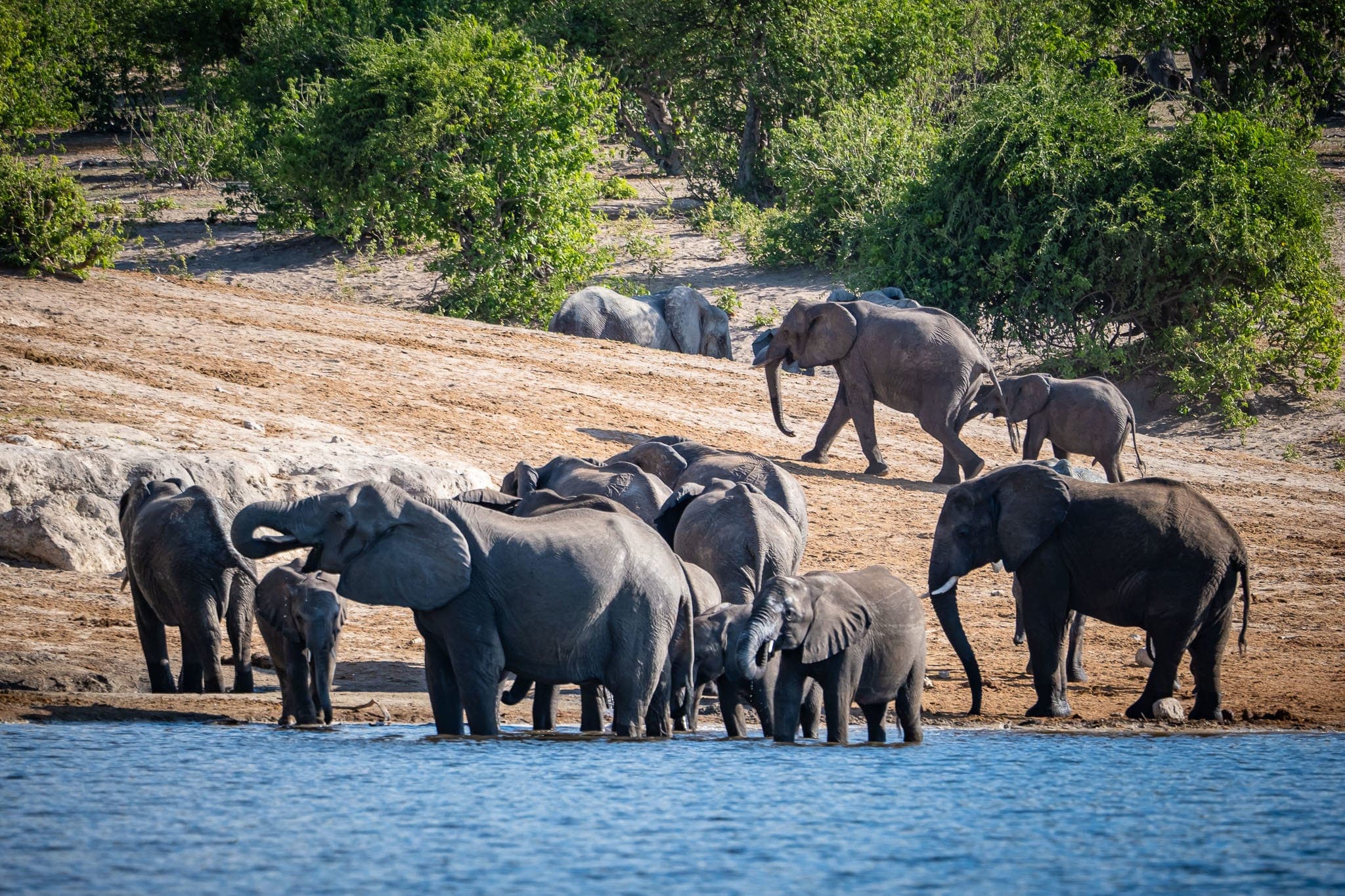
Chobe National Park: the world’s largest elephant population.
Named after the river that runs along its northern edge, Chobe National Park was Botswana’s first national park, established in 1968. Around 50,000 elephants live within the park itself, while more than 100,000 move across the surrounding landscapes between Namibia, Zimbabwe, and Botswana.
The Park
Four landscapes, one park.
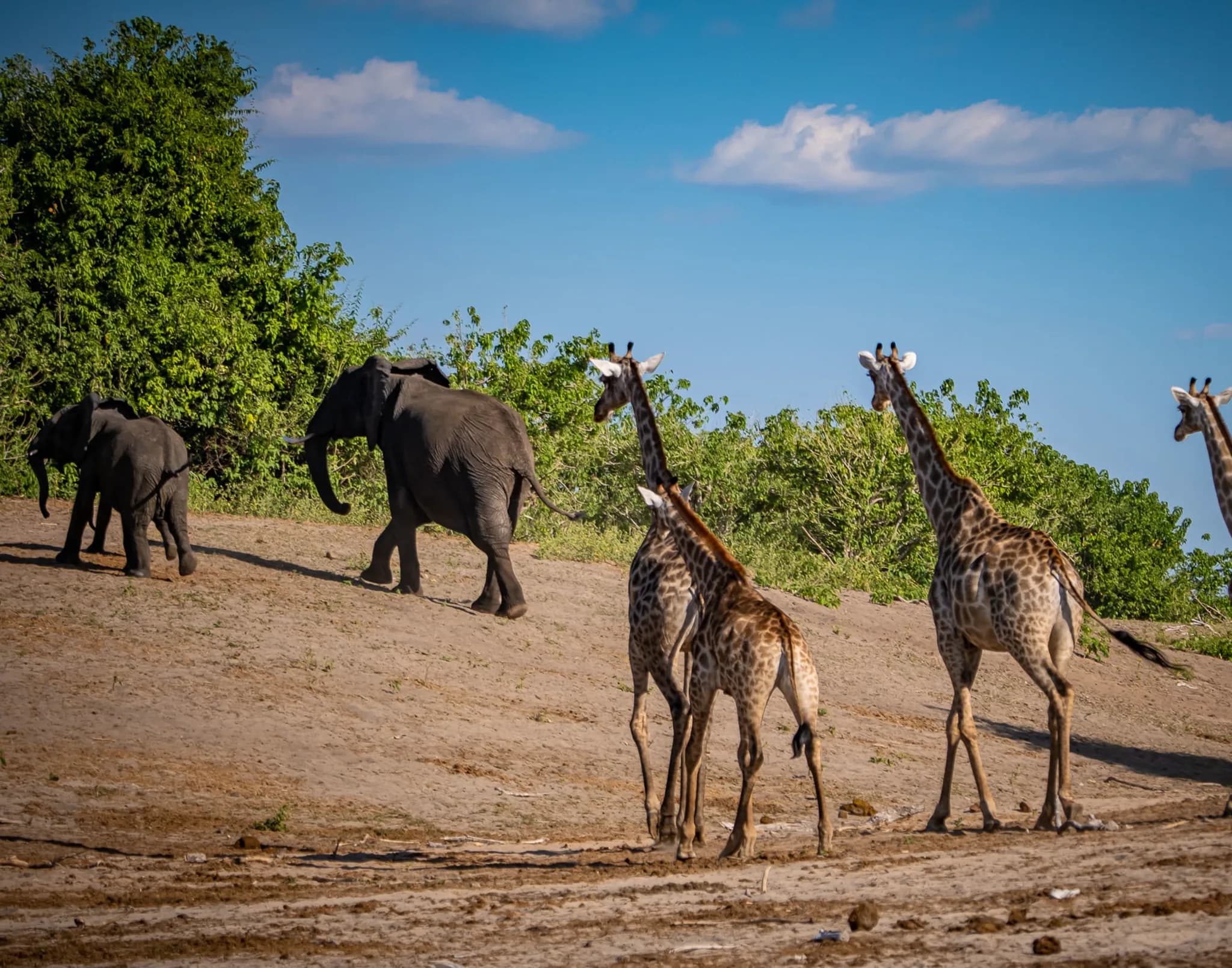
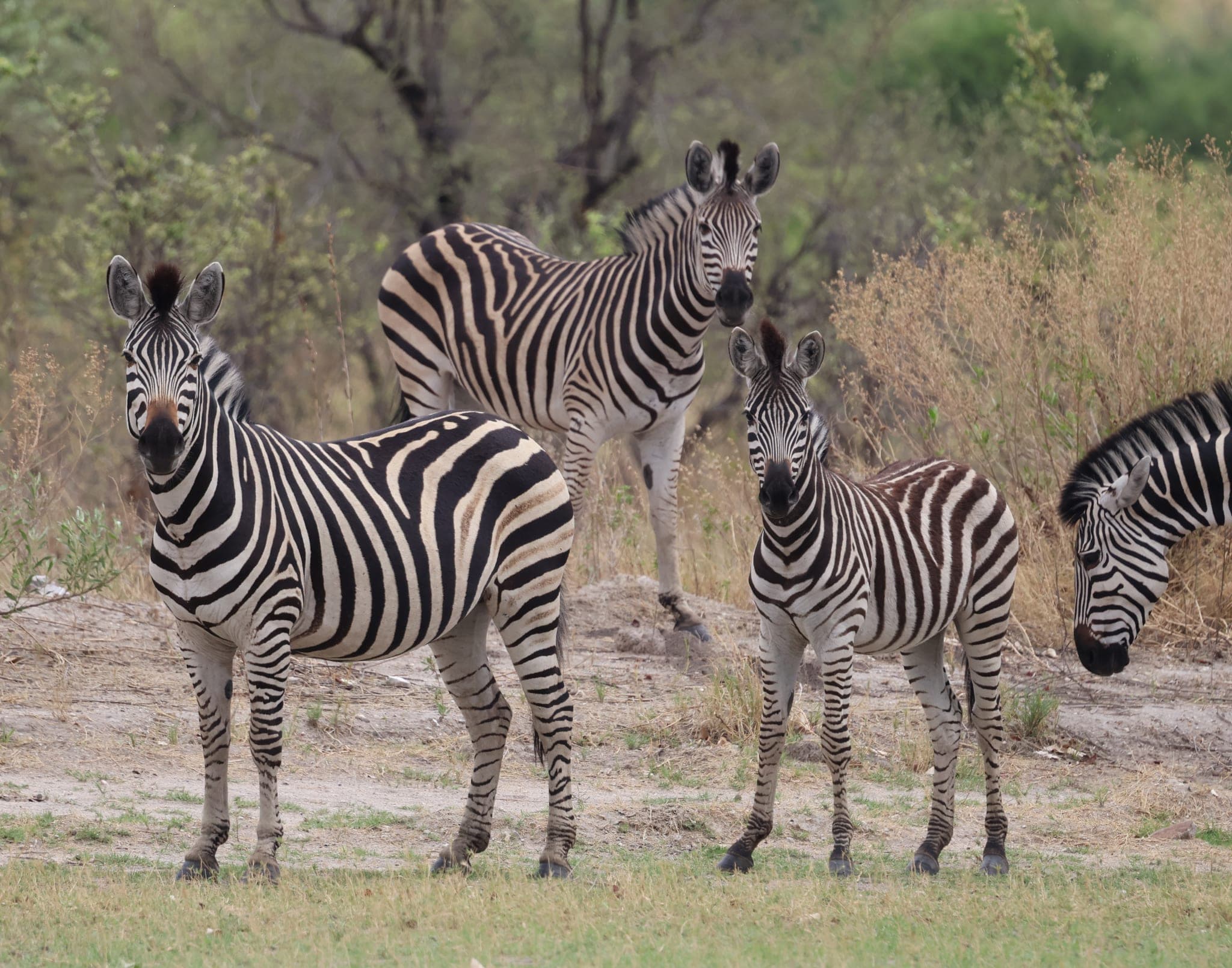
Alongside its vast elephant population, the park is home to lion prides, leopards, cape buffalo, hippos, giraffes, zebras, countless antelope species, and the endangered African wild dog.
Four distinct ecosystems shape the park: the Chobe Riverfront in the north, the Savuti Marsh in the centre, the Linyanti wetlands along the Namibian border, and the Nogatsaa grasslands that connect them. Our retreats are based along the Riverfront, where camp is located, while our mobile safaris often begin in the dramatic landscapes of the Savuti Marsh.
How we explore
Drives, cruises, walks.
Game drives at dawn and dusk offer the classic safari experience from the comfort of a 4x4 vehicle. Boat cruises along the Chobe River bring you close to elephants gathering at the banks, hippo pods drifting through the water, and crocodiles resting in the sun. Walking safaris slow the pace, revealing tracks, medicinal plants, insects, and the smaller details of the bush often overlooked from a vehicle. Mokoro excursions glide quietly through the channels and floodplains among dragonflies and lotus flowers.
Our guides were raised on this land and know its rhythms intimately: every road, every track, every call in the distance. Through them, the bush reveals itself in deeper and more meaningful ways.
Birdlife
Four hundred and fifty bird species.
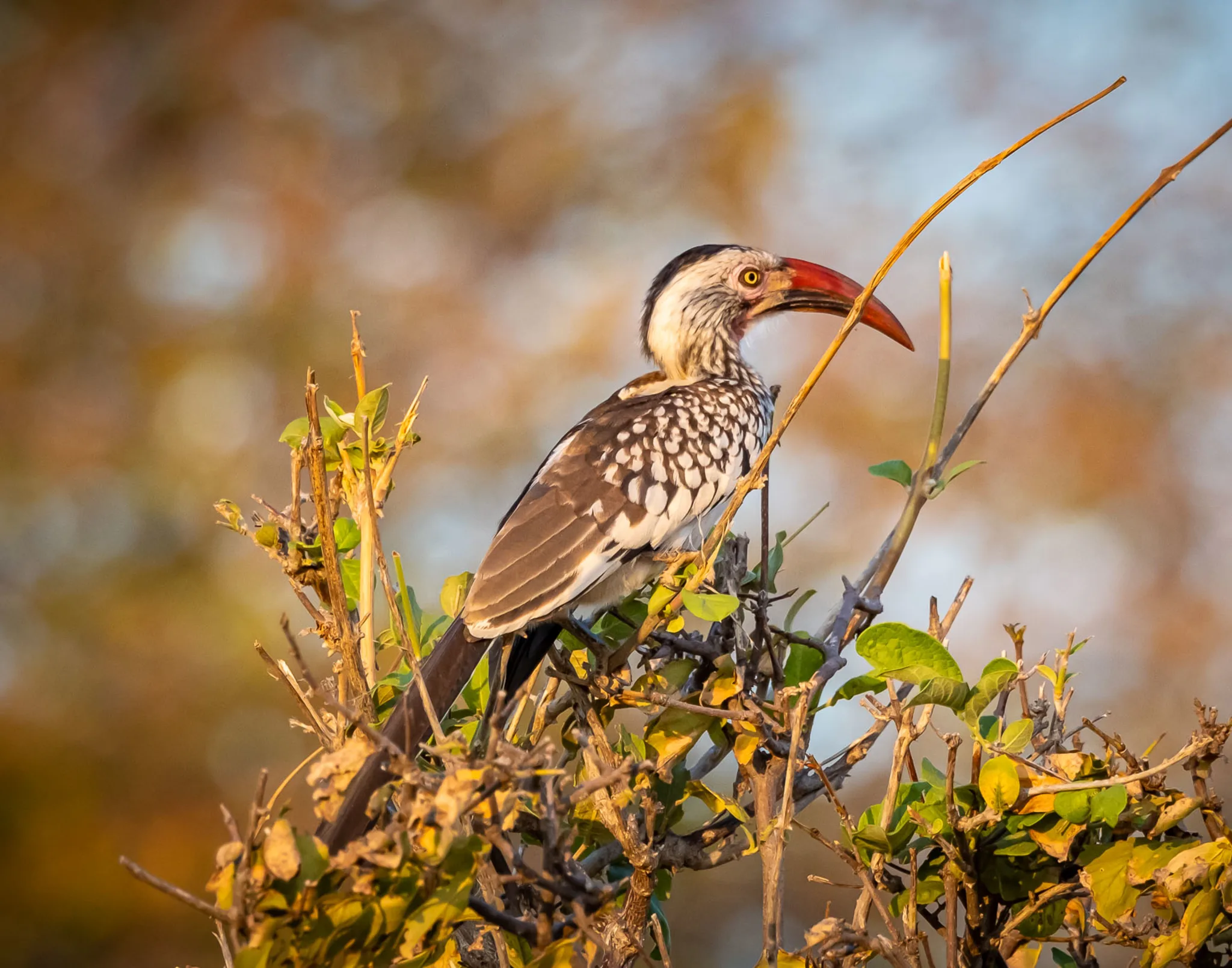
African fish eagles call from the riverbanks. Carmine bee-eaters nest in the cliffs. Lilac-breasted rollers rest along fence posts. Hornbills move through camp. Kori bustards stride across the plains. Ospreys, storks, herons, and kingfishers make the region a paradise for bird lovers and photographers alike.
With around 450 recorded bird species, the park supports one of the richest bird ecosystems in the region. A boat cruise along the river is one of the best ways to encounter many of them in a single outing.
The park at a glance
The numbers.
Established
1968
The park was declared shortly after Botswana’s independence to protect the wildlife along the Chobe River. Today, it remains the country’s third-largest national park after the Central Kalahari and Gemsbok regions.
Area
11,700 km²
Stretching from the Chobe River in the north to the Mababe Depression in the south, the park encompasses floodplains, riverine forests, woodlands, and vast marsh systems.
Elephants
50,000+
Large herds gather along the river during the dry season before dispersing deeper into the bush and across neighboring borders during the greener months.
Birds
450 species
Fish eagles soaring overhead, carmine bee-eaters nesting in cliffs, and lilac-breasted rollers flashing color across the plains make this a remarkable destination for bird photography and observation.
Best season
May to October
The dry season brings cool nights, warm days, and exceptional wildlife viewing as animals gather near permanent water sources. The green season from November to April offers dramatic skies, migratory birds, and short seasonal rains that transform the landscape.
Keep reading
- See how safari fits into a retreat week
Game drives, mokoro, and walking safaris between practice sessions.
- Go deeper on a mobile safari
Savuti, Khwai and Moremi, sleeping under canvas.
- Find where the camp sits on the Chobe
The Chobe Enclave, where four countries meet.